Maritime rescue is an extreme race against time. Traditional search and rescue has long been trapped by four pain points: low efficiency, slow and inaccurate information, high cost and little intelligent support — drowning alone claims nearly 57,000 lives in China every year. Industry media Haijingshe recently published an in-depth report on how CETIG is unravelling these problems with technology.
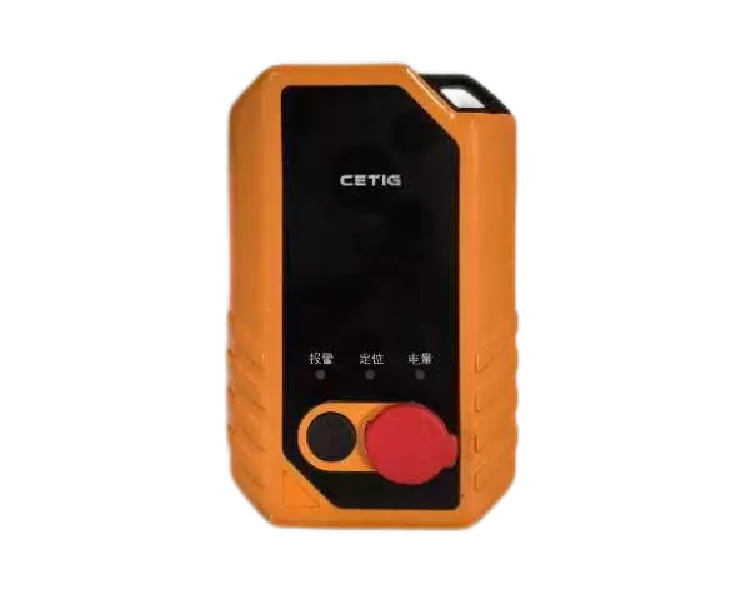
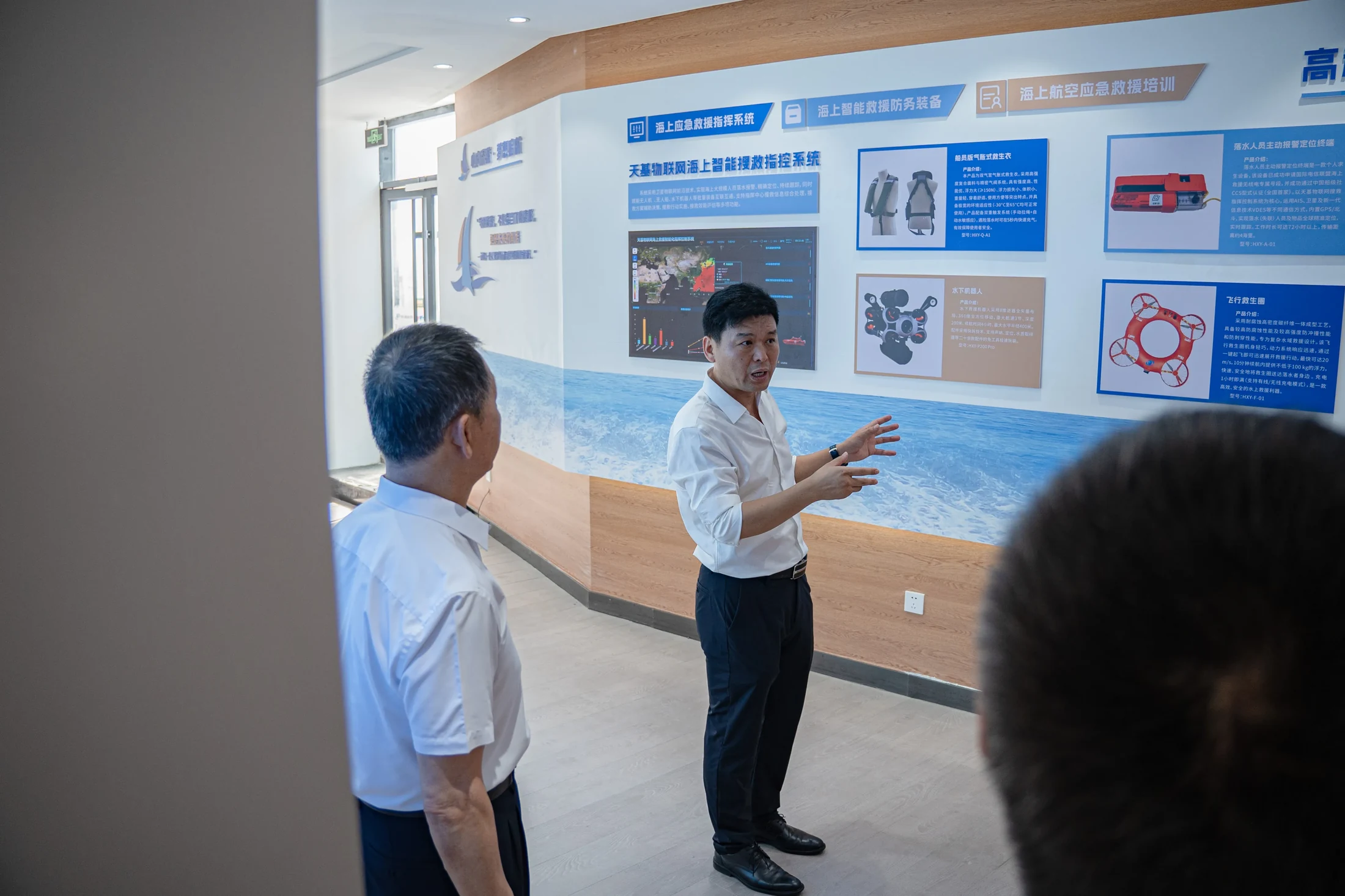
CETIG's hub is its satellite-IoT maritime intelligent rescue command system (“Kunpeng” model), which fuses satellite IoT, AI and edge computing into a three-layer heterogeneous network — 5G near shore, LEO satellites offshore, GEO satellites for emergencies — delivering mass man-overboard alarm, precise positioning (≤5 m) and sustained tracking (≥72 h), while interconnecting drones, unmanned vessels and underwater robots. Its man-overboard alarm terminal combines AIS, LEO satellite and BeiDou-3 short-message channels in a compact, low-power unit small enough to be built into a lifejacket.
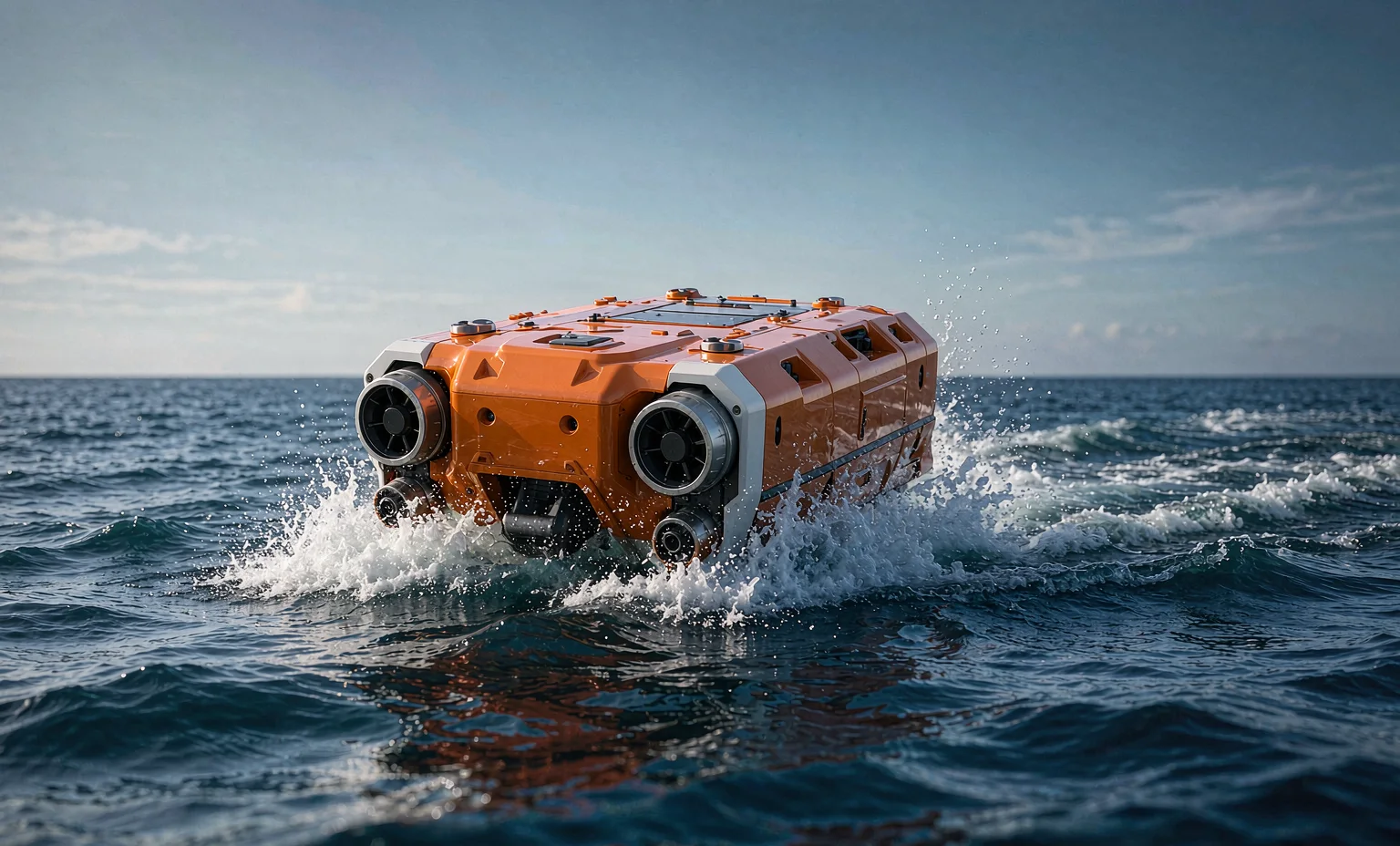
The equipment matrix covers every domain: pilot inflatable lifejackets and marine thermal work vests are both CCS type-approved; the smart positioning lifejacket adds auto-inflation, water-alarm, strobe and AIS positioning, turning a flotation device into a wearable distress beacon; the surface rescue robot is validated in sea state 3; the flying lifebuoy runs on the in-house “Huaxong O1” module, withstands force-6 winds and supports two adults. From “a lifejacket” to “a rescue network”, CETIG is connecting scattered single-soldier equipment into one real-time online rescue web.