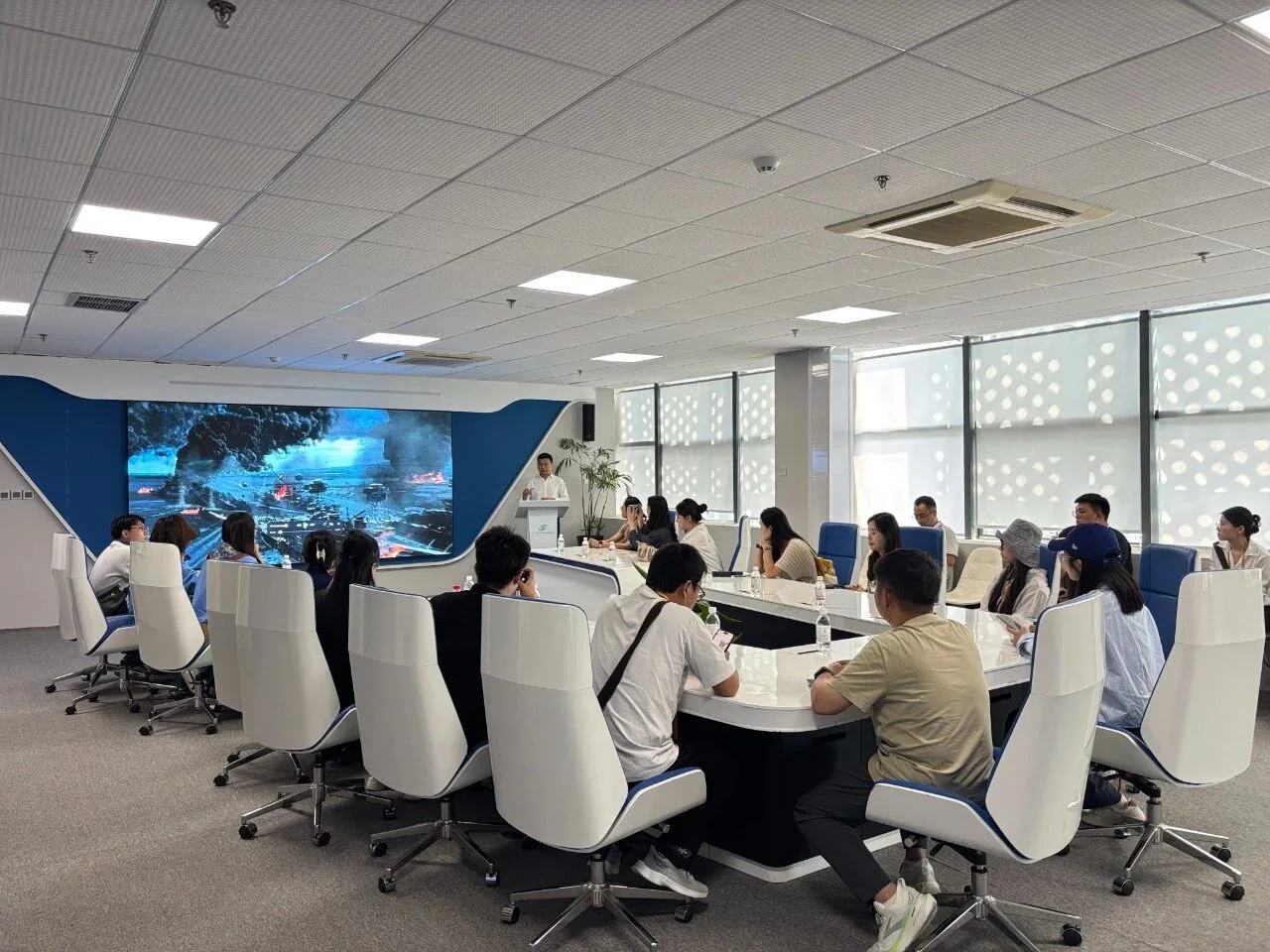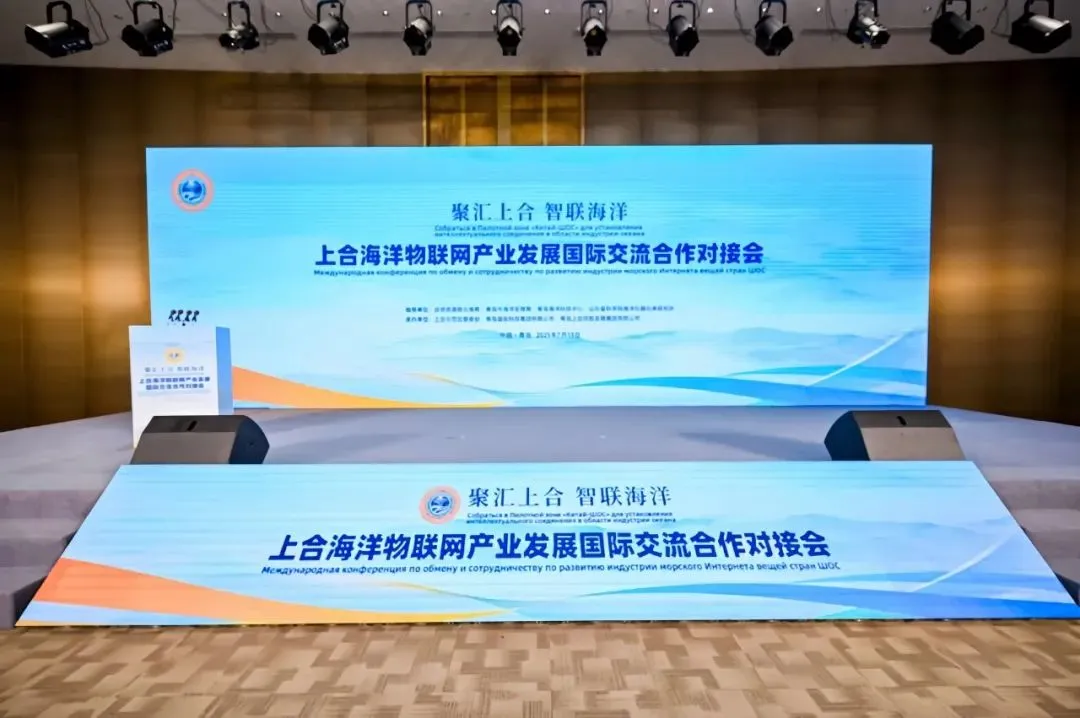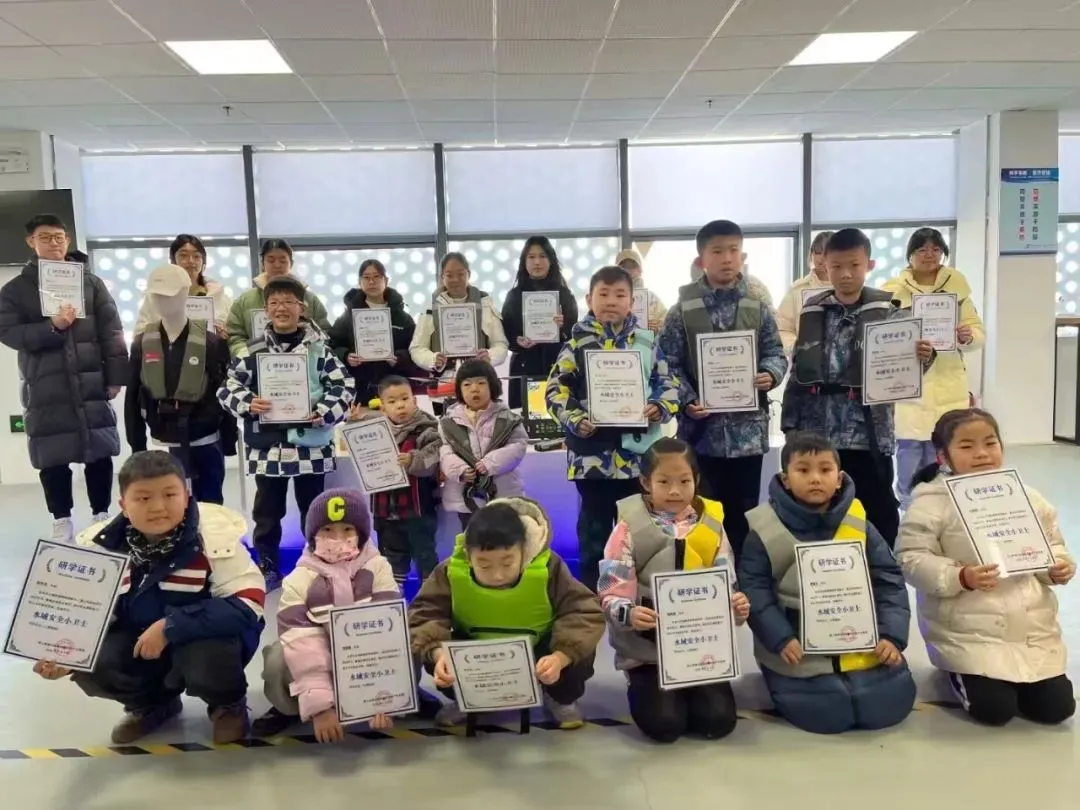
On 9 February, the Ocean Decade International Cooperation Centre and the Qingdao West Coast New Area Bureau of Marine Development joined CETIG to deliver the first 'Ocean Science Lesson' of the new year for more than thirty students and parents, under the theme of technology-enabled life-saving. The programme is part of the 'Ocean Lecture Hall' initiative that brings marine science into schools, communities and workplaces.
How smart rescue works
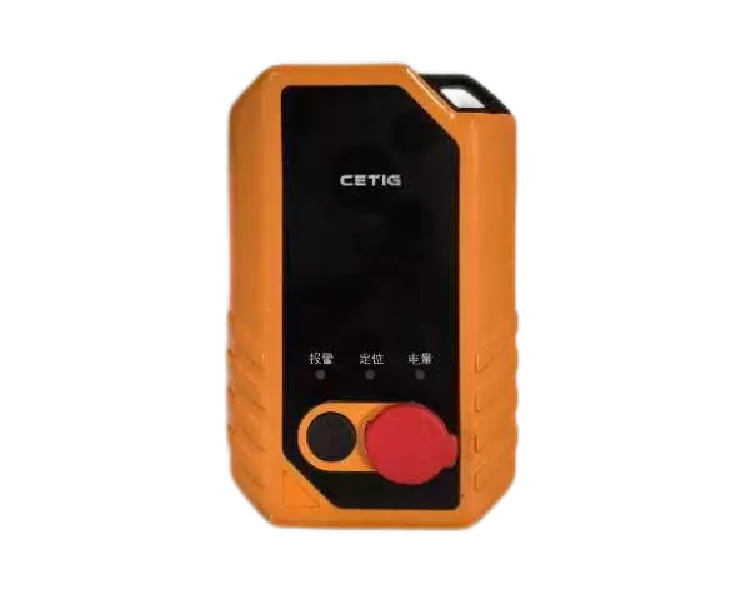
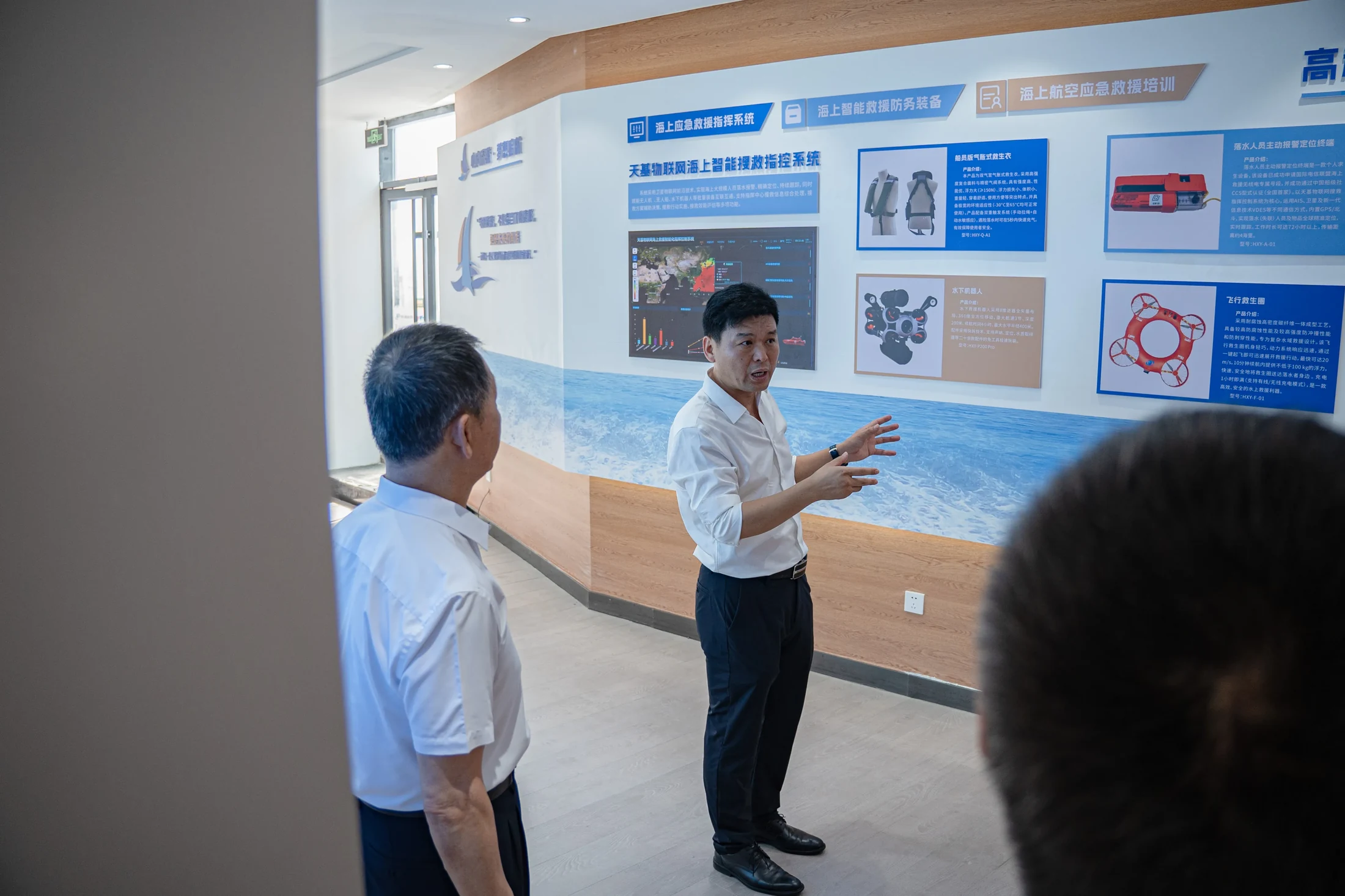
Video demonstrations showed satellite-IoT technology applied to positioning life-saving equipment: an automatic alert terminal is triggered, a satellite fixes the position, and AIS displays the location of a person in the water in real time. Waterproof SAR UAVs, surface rescue robots and underwater robots then operate as a coordinated air–sea–land system. One parent remarked that technology can make life-saving remarkably precise and dependable.
In the production workshop, children discovered that cutting uses lasers rather than scissors and joining uses intelligent heat pressing rather than sewing machines. Questions such as 'how does a robot recognise a person in the water?' and 'can a UAV keep working after landing in water?' were answered one by one. CETIG welcomes more students to come and discuss the future of marine equipment.